
Last updated September 20, 2026
Full 25-point door and opener safety check with every visit - springs, cables, rollers, tracks, and your LiftMaster or Chamberlain opener included
You get a price before we start. It does not change when the truck arrives.
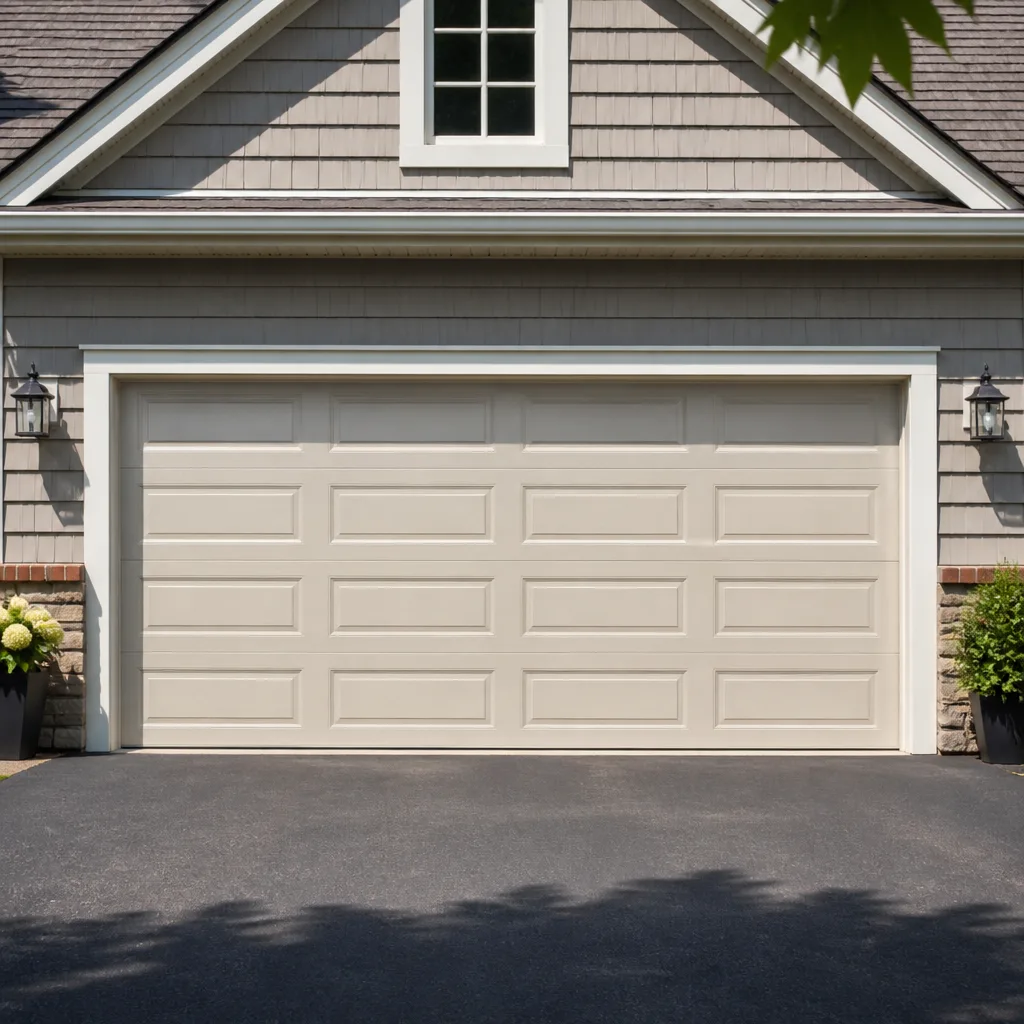
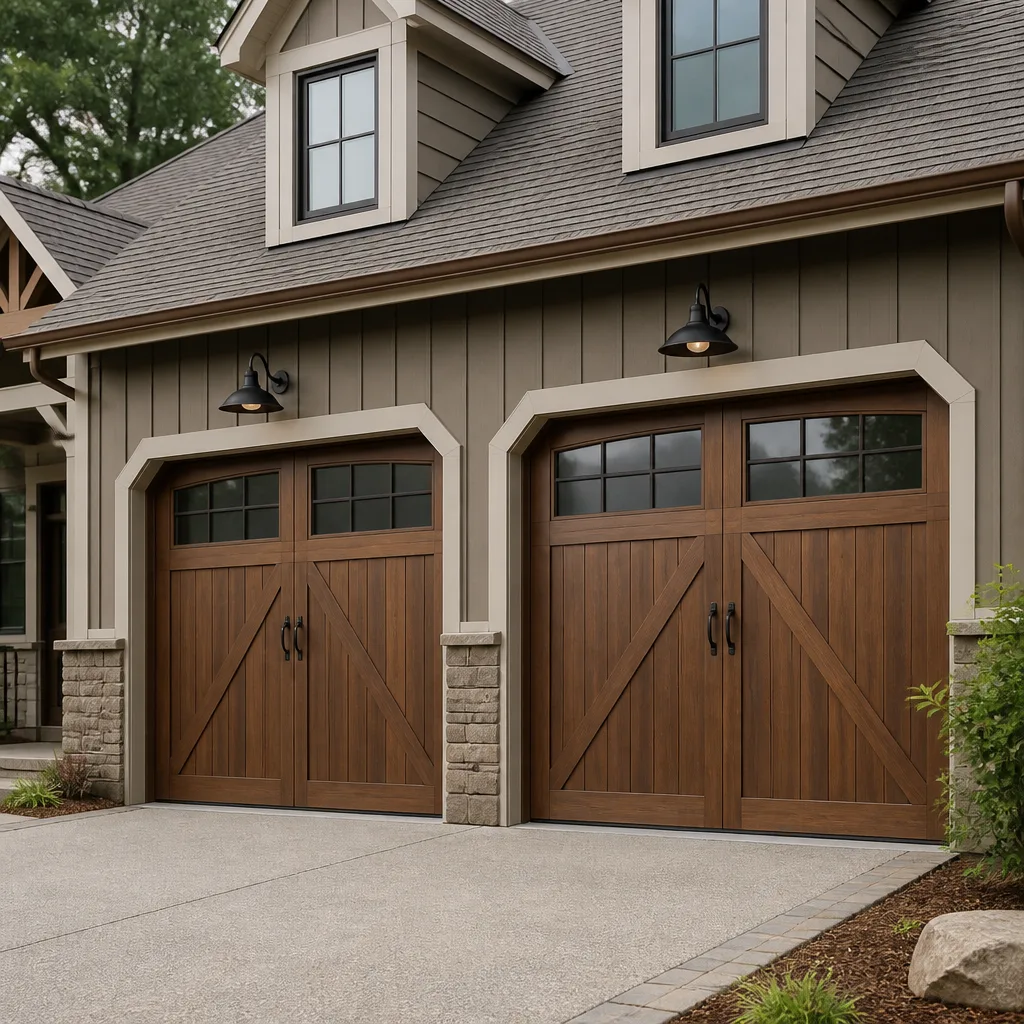
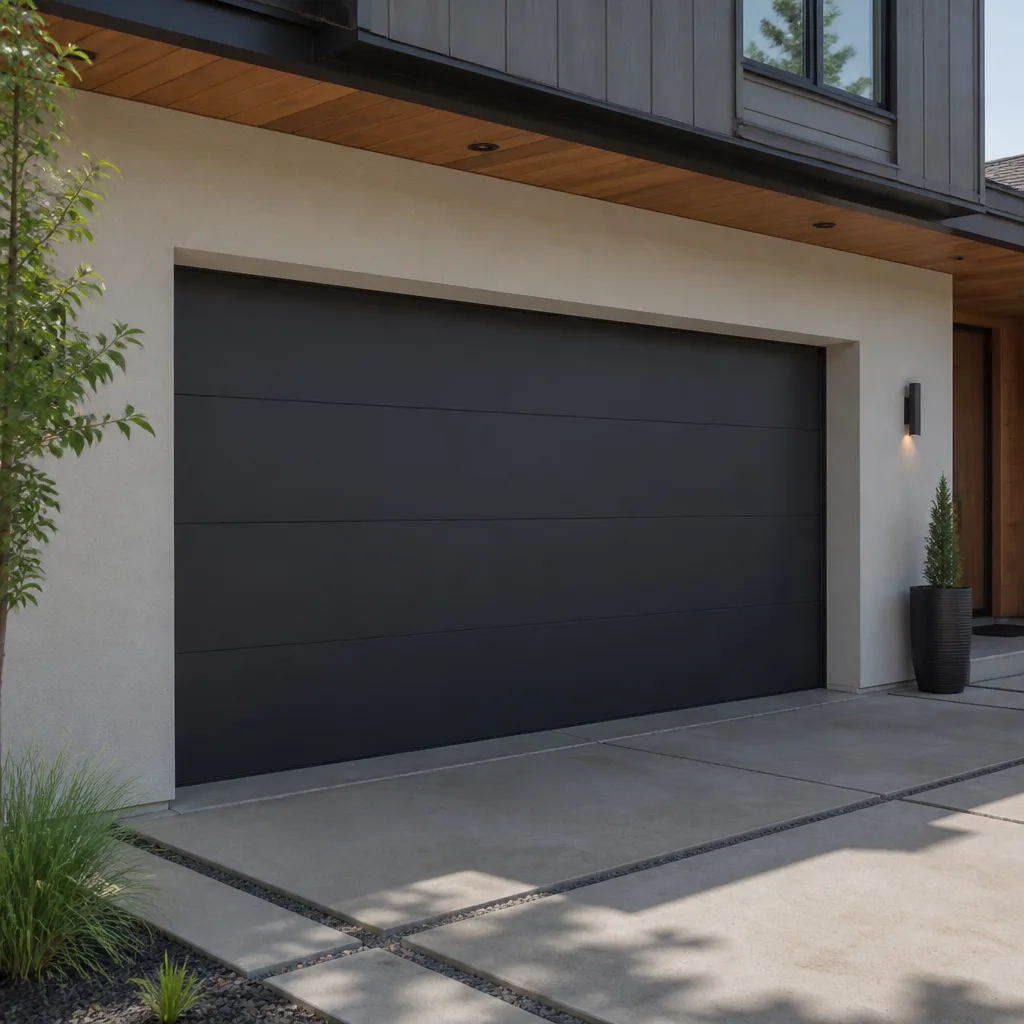
 Before
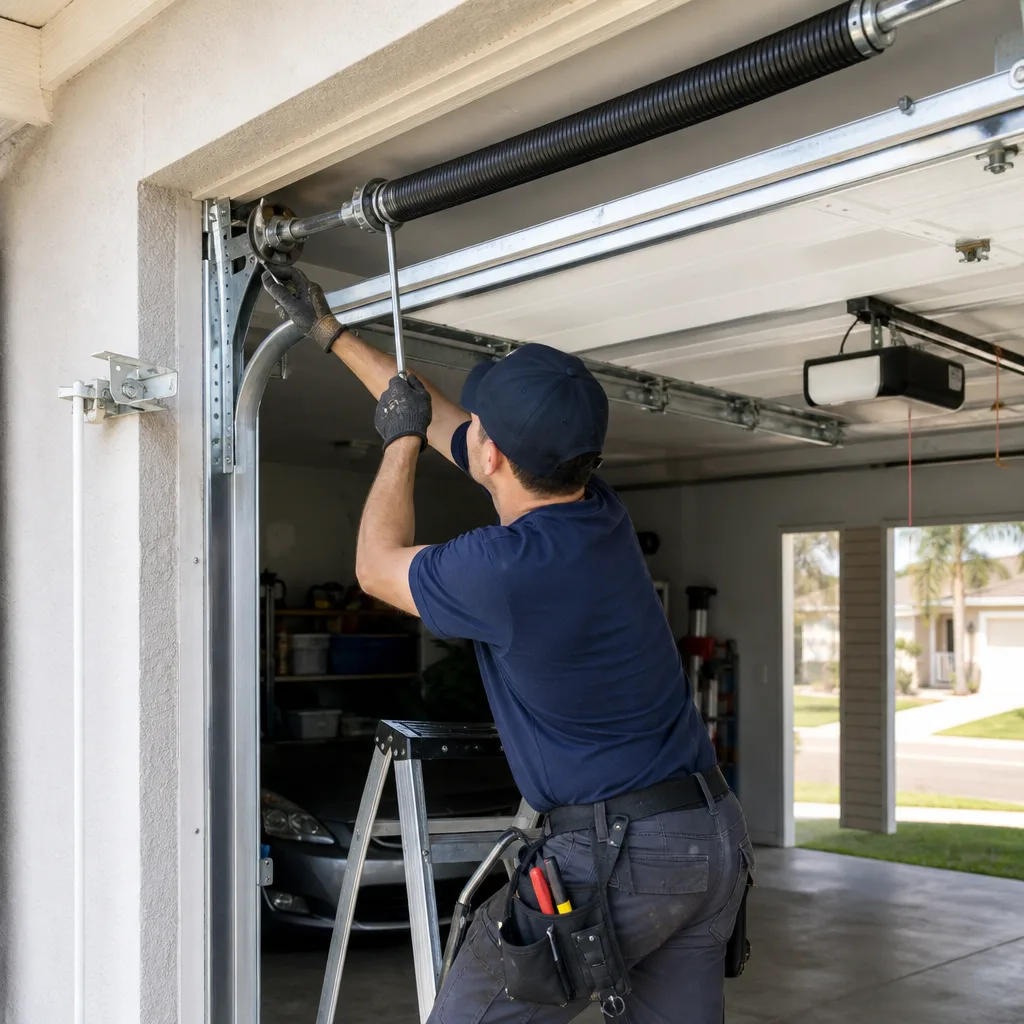 After
After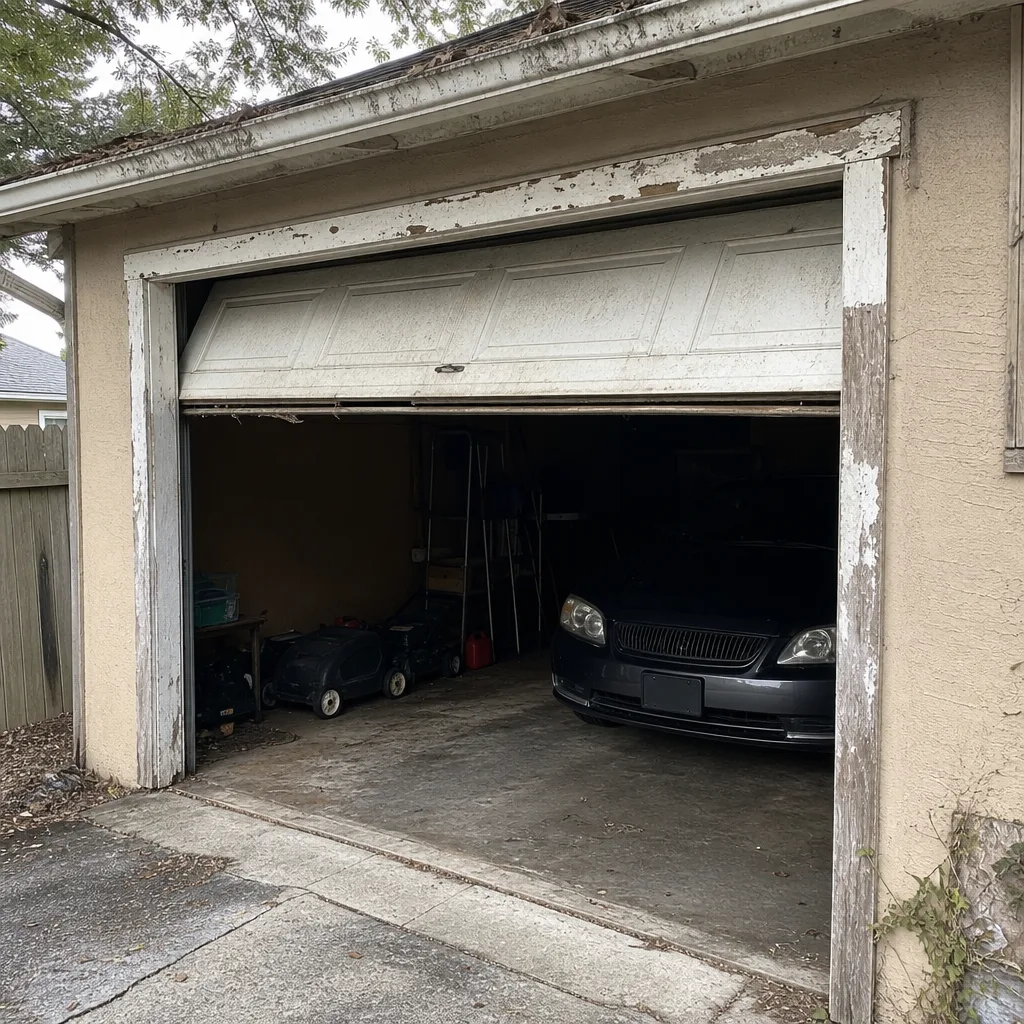 Before
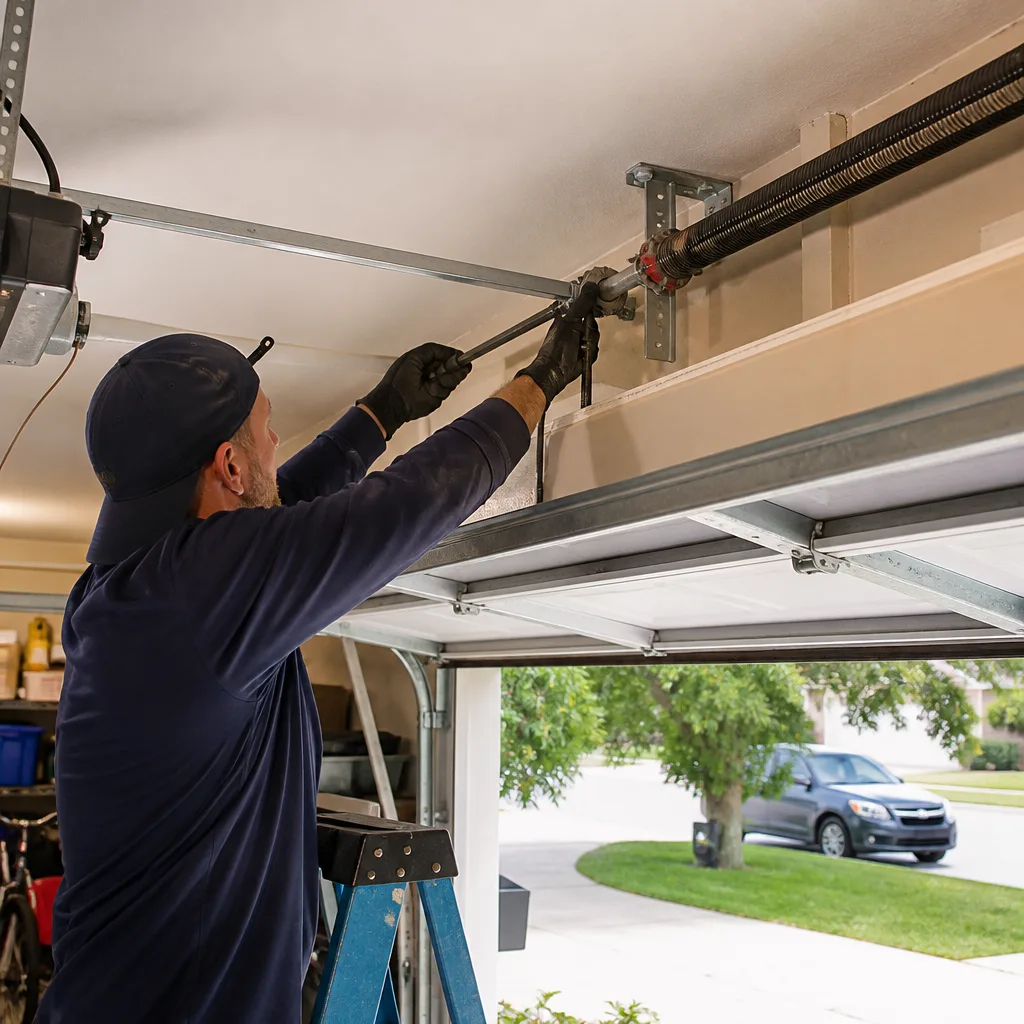 After
After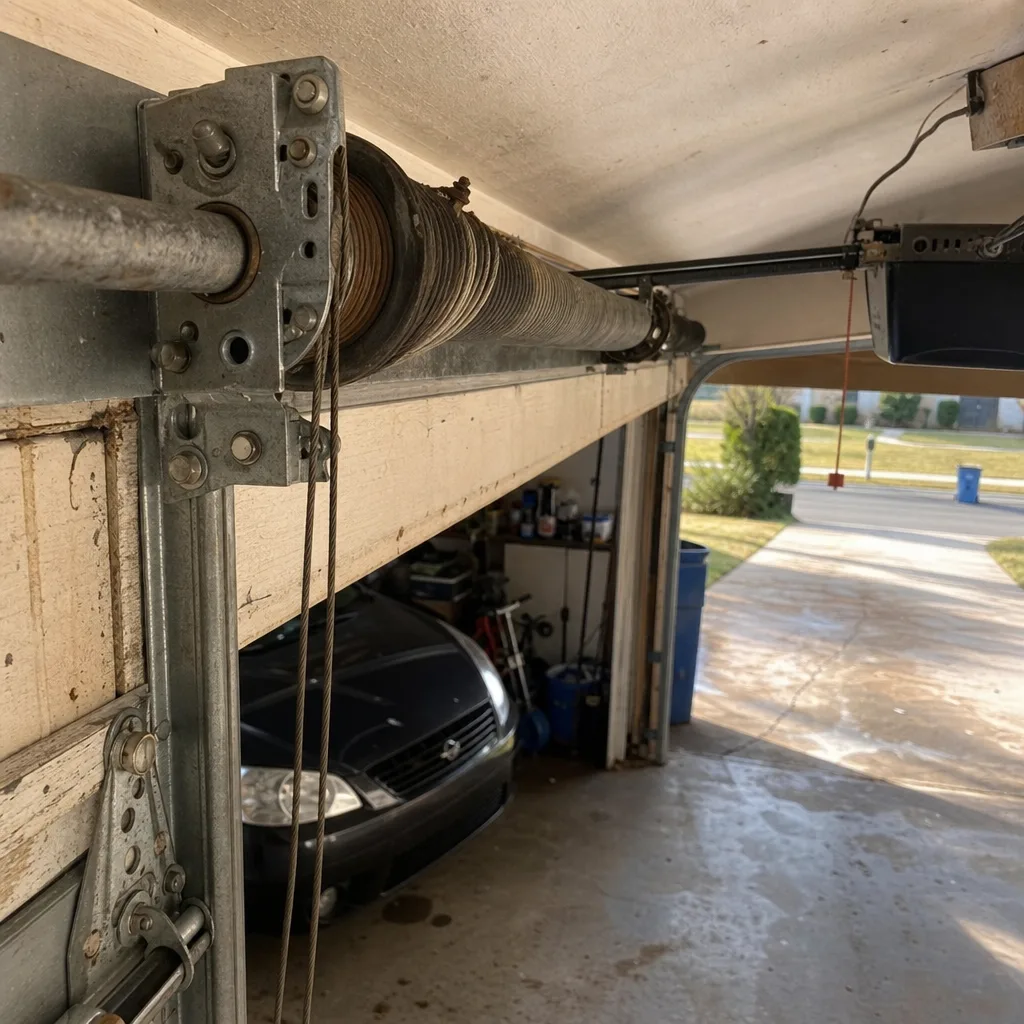 Before
 After
AfterGarage Door Permits, Codes & Inspections in FL: What You Need to Know
In Florida, a garage door is not just an entry point. It is a structural component of your home’s wind-resistance system, and the state treats it that way in writing. Most Lakeland homeowners don’t realize that replacing a garage door in a wind-borne debris region without a permit can void a hurricane insurance claim if that door fails during a storm. This guide walks through the Florida Building Code sections that govern garage door replacement, when a permit is legally required, how to verify the permit was actually pulled, and what an unpermitted door does to your 4-point inspection. If you own a home in Lakeland, the permitting rules on this page apply to your address.
Quick Answer
In Florida, a permit is required to replace a garage door in most cases, especially in wind-borne debris regions like Polk County, where replacement doors must carry a minimum 110 mph design pressure rating and be installed with an approved wind-load label. A permit is not required for minor repairs like spring replacement, panel realignment, or opener remote programming. The permit exists to create a paper trail that proves your door meets code, which is what your insurer checks after a storm and what a buyer’s inspector checks before closing.
Table of Contents
- The Florida Building Code Section That Governs Garage Doors
- When a Permit Is Required vs. When It Is Not
- What a Wind-Load Label Means and Where It Must Be
- How to Verify a Permit Was Pulled in Lakeland
- The Insurance Implication: 4-Point Inspections and Unpermitted Doors
- What the Inspection Process Actually Looks Like
- Common Mistakes to Avoid
- When to Call a Professional
- Frequently Asked Questions
BeforeAfterThe Florida Building Code Section That Governs Garage Doors
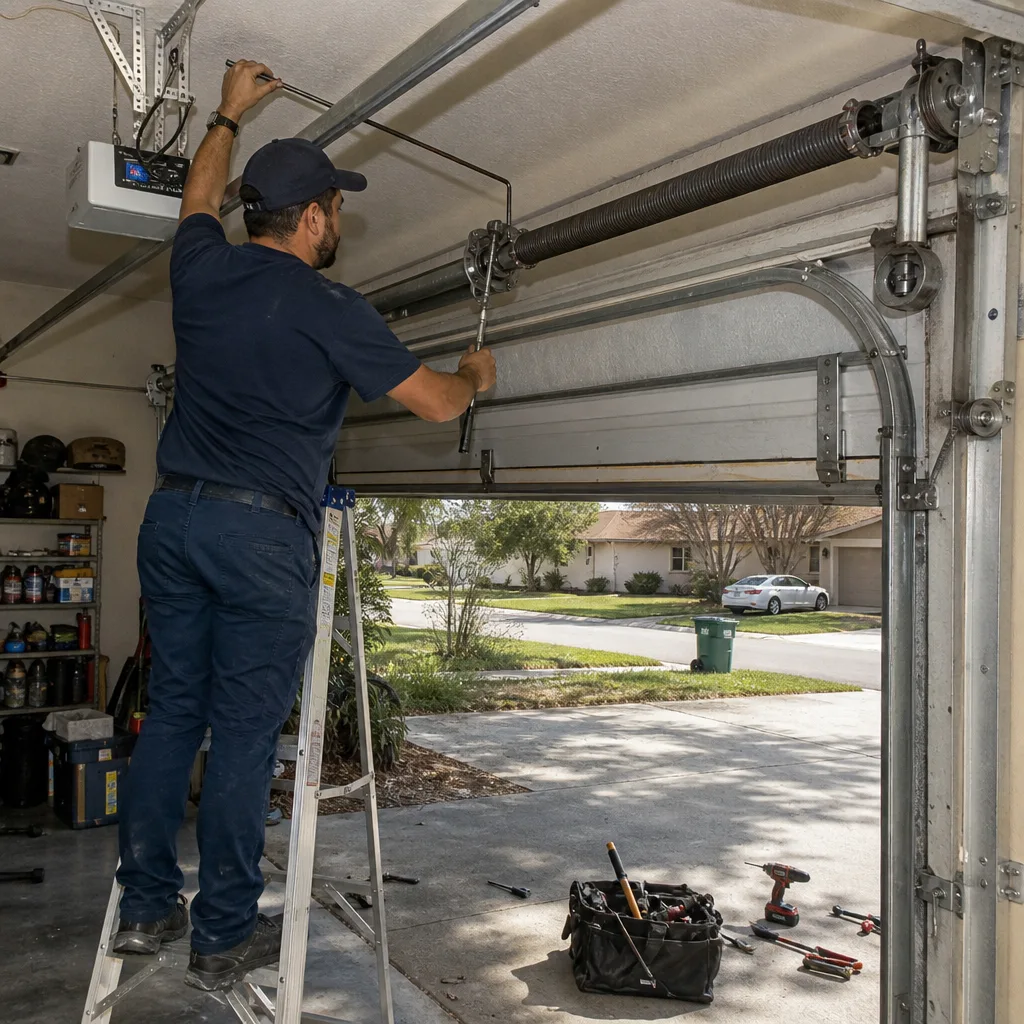
The governing text is the Florida Building Code, Residential, Section R609, titled “Garage Doors and Other Large Doors.” It has been on the books since the early 2000s and has been amended repeatedly after every major hurricane exposed failures in garage door installations. The section requires that garage doors in wind-borne debris regions be tested and labeled to withstand specific wind pressures, and that the installation match the tested assembly. In Polk County, which includes all of Lakeland, the applicable wind speed design is 110 mph, corresponding to a wind-borne debris region designation. If you live in Lakeland, your replacement door must be rated for that zone, not some lower inland standard.
The code is blunt about what counts as a compliant installation. A door that meets the wind-load standard but is installed with the wrong track, wrong jamb brackets, or wrong fasteners is not compliant. The code reviews the entire door system, not just the panel. That is why the permit process exists: it forces a third-party inspector to verify that the assembly, not just the product, meets Section R609. This is also why we photograph the failed component and the completed installation on every job. The documentation is what proves code compliance to an inspector, an insurer, or a future buyer, and Clause 4 of The Haven Standard requires that photograph before we quote a replacement.
There is a second code section that matters: the National Electrical Code, adopted by reference in Florida, governs the wiring for a garage door opener. Adding a new opener circuit or running new electrical to the opener motor requires an electrical permit. Homeowners who replace only the operator and reuse the existing outlet generally do not need one. But if the opener installation involves new wiring, a dedicated circuit, or moving an outlet, the permit requirement kicks in. This is the kind of distinction that does not appear in most online garage door guides, including our Garage Door Repair Maintenance Checklist for Lakeland Homeowners, and it is the distinction a building inspector will ask about.
When a Permit Is Required vs. When It Is Not
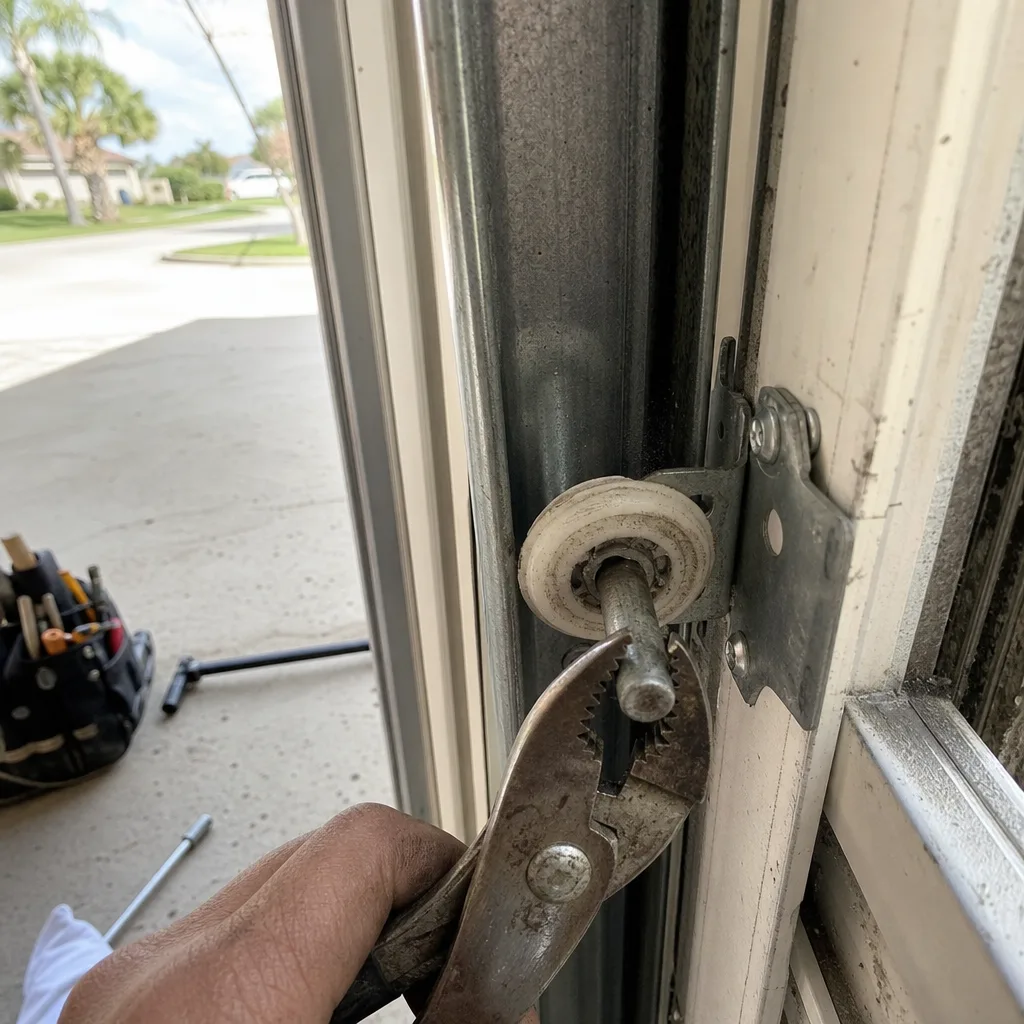
The short version: full garage door replacement requires a permit in Lakeland and throughout Polk County. Minor repairs do not. Here is the trigger list, as enforced by the Lakeland Building Inspection Division.
Permit required:
- Replacing the entire garage door with a new door, whether same size or larger.
- Modifying the structural opening: enlarging, reframing, or re-headering the opening.
- Installing a new garage door opener that requires new electrical wiring or a new circuit.
- Converting a single-car door opening to a double-car opening, or vice versa.
- Replacing a garage door on a home in a wind-borne debris region, which includes all of Lakeland, regardless of whether the opening changes.
No permit required:
- Replacing a torsion or extension spring on an existing door.
- Replacing rollers, hinges, cables, or the trolley carriage on an existing door.
- Reprogramming a remote or keypad.
- Replacing the opener logic board or limit switch as a part-for-part swap with no new wiring.
- Realigning or lubricating an existing door that remains in place.
The door replacement trigger is the one most homeowners miss. Many contractors will tell homeowners in Lakeland that “you don’t need a permit for a garage door,” a warning sign covered in our Garage Door Warning Signs: A Lakeland Homeowner’s Reference Guide. They are wrong, or they are describing a repair job and calling it a replacement to avoid the inspection. A full door replacement in Polk County requires a permit, end of story. The permit fee is modest, usually under $150 in Lakeland, and the inspection is typically scheduled within a week or two. The cost of not pulling it, which we cover below, is measured in insurance premiums and claims.
What a Wind-Load Label Means and Where It Must Be
Every garage door rated for wind-borne debris regions carries a physical label, typically a metal or laminated tag, that states the door’s design pressure rating, the testing standard, and the manufacturer’s name. The label is not decorative. It is the evidence that the door was tested to a specific standard, and Florida code requires that the label remain affixed to the door after installation. If the label is removed, painted over, or never applied, the door technically ceases to be identifiable as a code-compliant assembly.
The label reads something like: “DP-50, ASTM E330, Miami-Dade NOA #XX-XXXX.” The DP number is the design pressure rating in pounds per square foot. For Lakeland and the rest of Polk County, the minimum requirement corresponds to the 110 mph design wind speed, which translates to a specific DP rating depending on door size and mounting height. A door that meets the standard for a single-car opening may not meet it for a wider double-car opening, which is why the label matters: it ties the specific door model and size to the tested rating. You cannot swap in a different size and retain the same rating.
When we install a replacement door in Lakeland, the wind-load label is part of the delivered assembly and part of the photo record you receive after the job. The inspector will look for it, and so will the person who eventually buys your home. If you are replacing a door yourself, confirm the label is present before the old door leaves the property, and confirm the new door’s label matches the DP rating for your opening size and wind zone. The city of Lakeland’s building division can confirm the required rating for your specific address if the manufacturer’s documentation is unclear.
Three of the brands we regularly install in Lakeland, Clopay, Amarr, and Wayne Dalton, all produce wind-load-rated doors with the required labels. The rating is a function of the model, the reinforcement, and the installation hardware, not just the brand name. A Clopay door without the wind-load package is not code-compliant in Polk County even if the same model with the package is. The label is how you tell the difference.
How to Verify a Permit Was Pulled in Lakeland
The single most useful step a Lakeland homeowner can take when a contractor says “permit is handled” is to verify it independently. The city of Lakeland and Polk County both operate online permit portals where anyone can search by address and see open permits, inspection results, and final approvals. Here is the process, step by step.
- Ask the contractor for the permit number before work begins. A contractor who cannot produce a permit number within a day of starting a permitted job has not pulled the permit.
- Search the permit number on the Lakeland permitting portal by address. You are looking for a permit type that matches the work: “garage door replacement” or “residential alteration.”
- Check the status. It should read “issued” before installation and “finaled” or “passed” after the inspection.
- Confirm the inspection result online after the inspector leaves. The portal updates within a day or two in most cases.
- Do not pay the final invoice until the permit shows as finaled. The final inspection is part of the job, not a favor the contractor does later.
We tell our Lakeland customers to check. Not because they should distrust us, but because the habit is the point. A homeowner who verifies a permit is a homeowner whose insurance claim survives a hurricane. The paper trail is the product, and the portal is where you confirm it exists. If you are in the middle of a garage door installation in Lakeland, the permit number should be in your contract, not just in the contractor’s phone.
The Insurance Implication: 4-Point Inspections and Unpermitted Doors
Florida homeowners carrying wind coverage know the 4-point inspection. It is the abbreviated inspection insurance companies require on homes over a certain age, covering four systems: roof, electrical, plumbing, and HVAC. Garage doors do not appear in the 4-point by name, but they appear in the wind mitigation inspection, which is the report that actually lowers or raises your premium. A wind mitigation report asks about the presence of wind-rated doors and shutters. If your garage door was replaced without a permit, the inspector has no paperwork to verify the rating, regardless of what the label says.
Here is the practical sequence. You replace a garage door in Lakeland without a permit. The door carries a wind-load label, but the installation was never inspected. A storm hits, the door fails, and you file a claim. The insurer’s adjuster asks for the permit and the final inspection record. You do not have them. The claim is denied or reduced on the grounds that the installation cannot be verified as code-compliant. That is not a hypothetical. It is the standard operating procedure of Florida property insurers after every named storm.
Even without a storm, the unpermitted door shows up at renewal. Wind mitigation inspections in Lakeland flag unpermitted work as “unable to verify,” which shifts the home into a higher premium tier. At sale, the buyer’s inspector flags the unpermitted door and the seller either pays to have it retro-permitted or knocks money off the price. The permit fee, under $150, is the cheapest insurance policy you will ever buy in Florida. Ask any homeowner in Lakeland who has gone through a claim dispute.
We include the permit and the inspection in our garage door repair and replacement service in Lakeland, and the permit number goes into the documentation packet you receive before the job starts. The written price includes the permit fee, not as a line item sprung on you later, but as part of the flat scope under Clause 1 of The Haven Standard.
What the Inspection Process Actually Looks Like
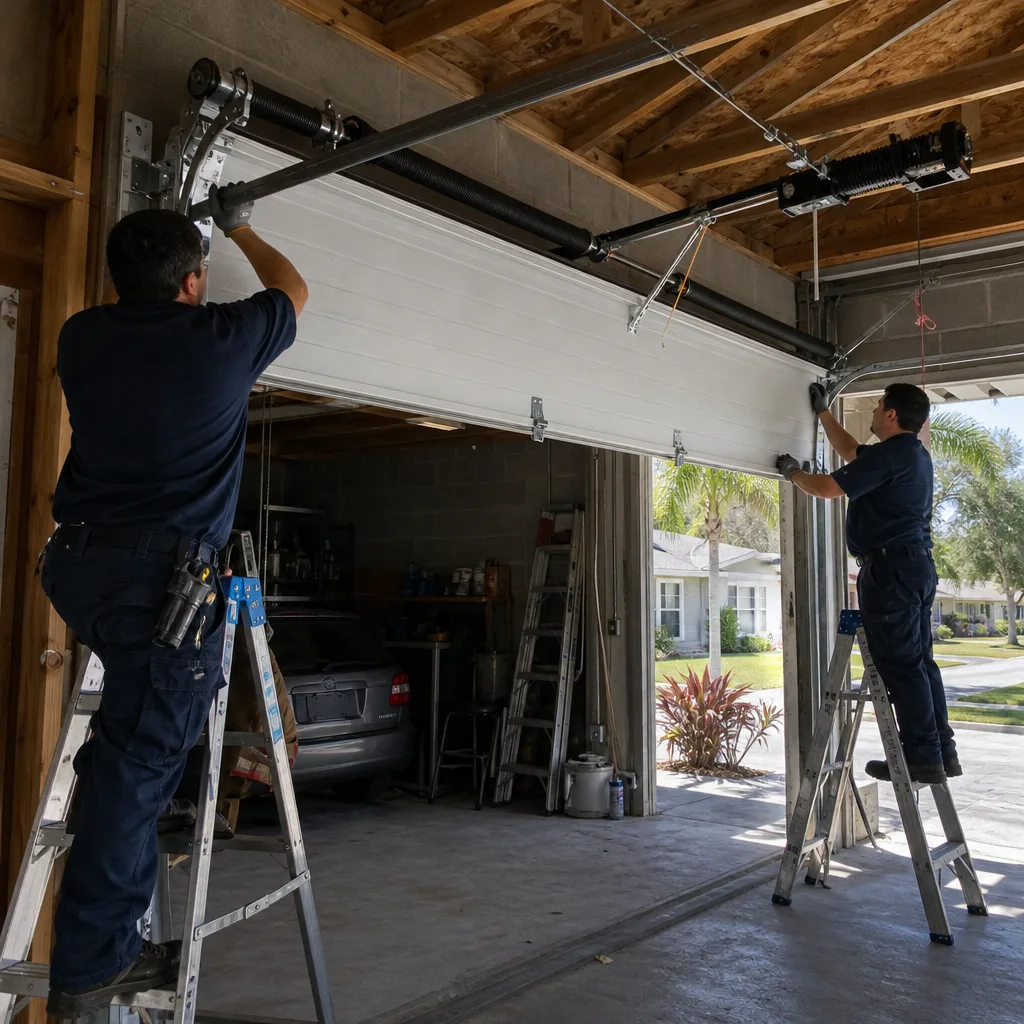
The inspection itself is quick. An inspector from the Lakeland Building Inspection Division visits after the door is installed, checks the wind-load label, verifies the fasteners and track assembly against the code, and signs off. Here is the sequence from our side, in order.
- The permit is pulled before installation day. The permit number is documented in your paperwork before the truck arrives.
- We install the door and leave the wind-load label in place, visible and undamaged.
- We photograph the label, the fasteners, and the completed assembly before we leave. That photo record is part of your file.
- The inspector visits on the schedule the city assigns, usually within one to two weeks in Lakeland.
- The final inspection result is posted to the permit portal. We confirm it and send you the record.
The city inspector is verifying the same things our technicians verify before they leave: the label, the fasteners, the track alignment, and the balance of the door. If the inspector finds a deficiency, it is corrected and reinspected. The process is not adversarial. It is a second set of eyes on a component that has to hold in a hurricane. In Lakeland, we work with inspectors regularly and the process is routine.
For garage door opener installation in Lakeland that includes new wiring, the electrical inspection follows the same sequence but focuses on the circuit, the outlet, and the disconnect. Both permits are usually issued together for a full door and opener replacement, which is the most common job in older Lakeland homes.
Common Mistakes to Avoid
- Believing the contractor who says no permit is needed for a full door replacement. In Polk County, that is wrong. The contractor is either misinformed or protecting their schedule. Either way, the risk lands on the homeowner, not the contractor.
- Paying the final invoice before the permit shows finaled on the portal. The final inspection is part of a permitted job. Paying early removes your leverage to get it done.
- Removing or painting over the wind-load label. The label is the proof. Without it, the door cannot be verified as code-compliant, and the 4-point or wind mitigation report will flag it.
- Mixing a wind-load-rated door with non-rated hardware. The code tests the assembly, not the panel alone. Non-rated track or fasteners void the compliance even if the door panel itself is rated.
- Assuming an older Lakeland home is grandfathered in. Replacement triggers current code. You cannot install a new door to the standard in place when the home was built in 1985.
- Not keeping the permit record. The paper trail from a permitted replacement is what you give the insurance company after a storm and the buyer at closing. Keep it for as long as you own the home.
When to Call a Professional
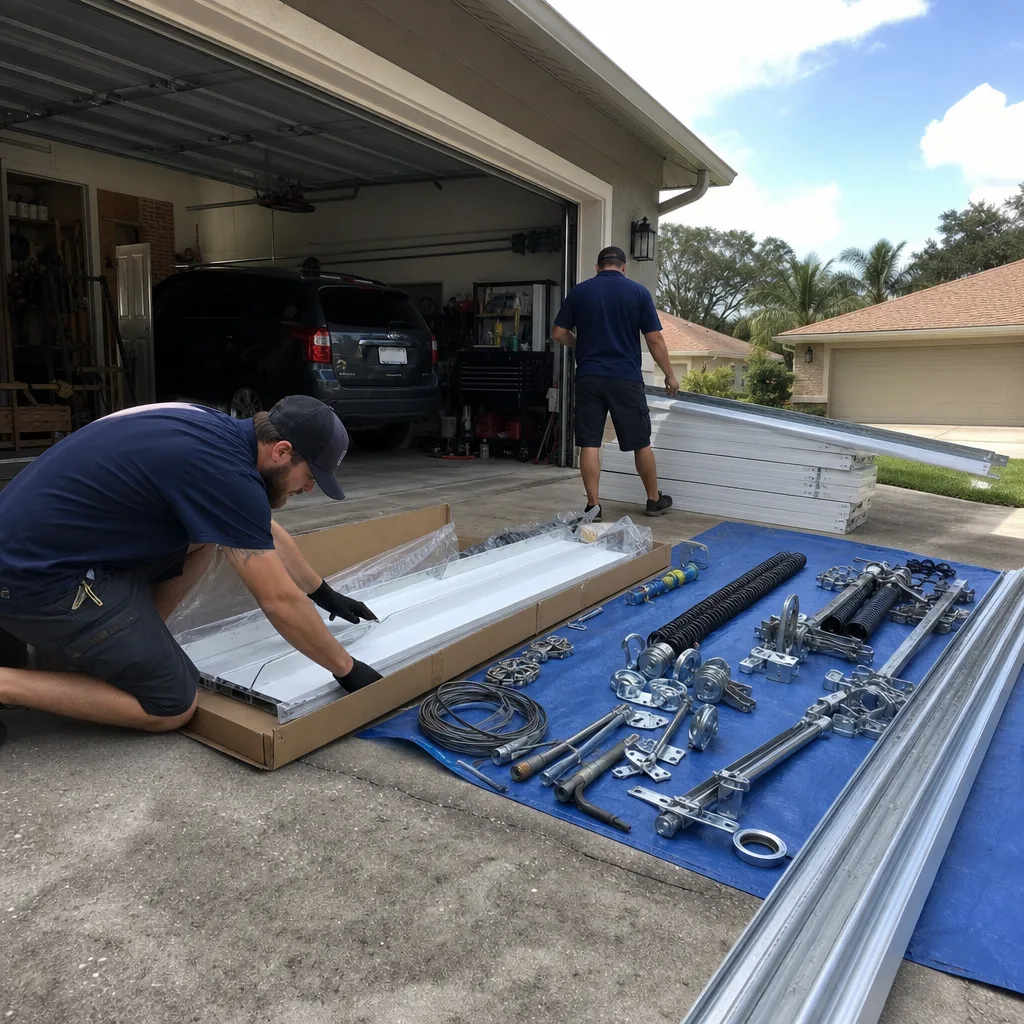
Garage door replacement in Florida sits at the intersection of structural code, wind-load engineering, and electrical work. It is not a DIY project, and most of the failures we see in Lakeland come from well-intentioned handyman installations that passed no inspection. Call a licensed contractor when the job involves a full door replacement, any modification to the door opening, or opener installation that requires new wiring. Call when you are not sure whether your existing door carries the correct wind-load rating for your address, or when an insurance renewal letter asks for proof of a wind-rated door and you cannot produce it. Servo Garage Doors Lakeland offers free estimates in Lakeland, with a written price and permit number before any work starts. Call (863) 656-0858. The estimate is free, the paper trail is not optional.
Frequently Asked Questions
A garage door replacement permit in Lakeland typically costs between $75 and $150, depending on the scope of the job and whether electrical work is included. The permit fee is paid to the city of Lakeland and covers the plan review and the site inspection. A contractor’s quote should list the permit fee as a line item, not bury it, and the written price you receive should include it before work starts. Call (863) 656-0858 for an exact figure on your specific replacement, with no obligation.
No, not in a wind-borne debris region like Lakeland. Florida Building Code Section R609 requires a permit and an inspection for full garage door replacement in these regions, and Polk County enforces it. Minor repairs like spring or roller replacement do not require a permit, but if the entire door is coming out, the permit is mandatory. A contractor who says otherwise is putting your insurance coverage at risk.
Lakeland addresses fall within the 110 mph design wind speed zone in Polk County, which corresponds to a wind-borne debris region designation. The specific design pressure rating required for your door depends on the door’s size and mounting height, and the manufacturer’s label must match that requirement. The city’s building division can confirm the exact DP rating for your address.
Insurance companies in Florida do not drop policies for unpermitted garage doors as a first action, but they do flag them in wind mitigation reports as “unable to verify,” which raises premiums, and they deny or reduce storm claims when the door fails and no permit record exists. The permit is what proves the installation met code. Without it, you are insuring a door that your insurer can decline to cover.
A simple garage door replacement permit in Lakeland is usually issued within one to three business days, and the final inspection is scheduled within a week or two after the installation is complete. The process is fast compared to full building permits because the scope is limited. Rush permits are not necessary for standard replacements.
Check three things before you pay the final invoice. First, confirm the permit number exists on the city portal and shows “issued.” Second, confirm the wind-load label is on the new door and matches your address’s requirements. Third, confirm the final inspection result shows “passed” or “finaled” on the portal. If any of these three items is missing, the job is not complete, regardless of what the door looks like. Call (863) 656-0858 and we will walk you through the verification for any job in Lakeland.
The Bottom Line
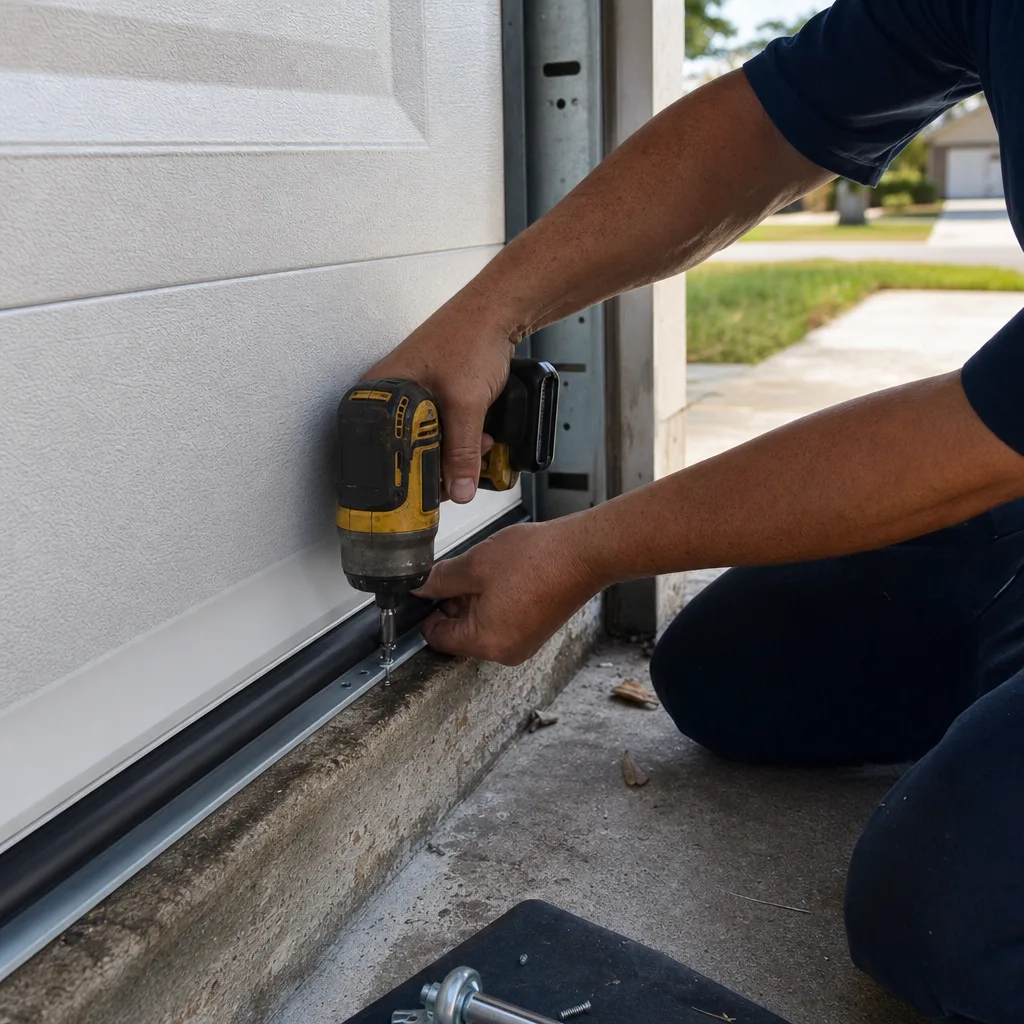
Florida treats garage doors as structural wind-resistance components, and Lakeland sits in the zone where that treatment is enforced. A permit is required for full door replacement, a wind-load label is required on the door, and an inspection record is the proof your insurer and your future buyer will ask for. The permit costs under $150 and takes about two weeks from start to final inspection. The alternative is an unverified door that can cost you a claim, a premium increase, or a sales price reduction. If you are replacing a garage door in Lakeland, the paper trail is not paperwork. For additional help, explore our more guides & resources. It is the product. Call (863) 656-0858 for a free estimate with a written price and a permit number before the work begins.
Written by Marcus Deller, Owner at Servo Garage Doors Lakeland, serving Lakeland since 2015.