
Full 25-point door and opener safety check with every visit - springs, cables, rollers, tracks, and your LiftMaster or Chamberlain opener included
You get a price before we start. It does not change when the truck arrives.
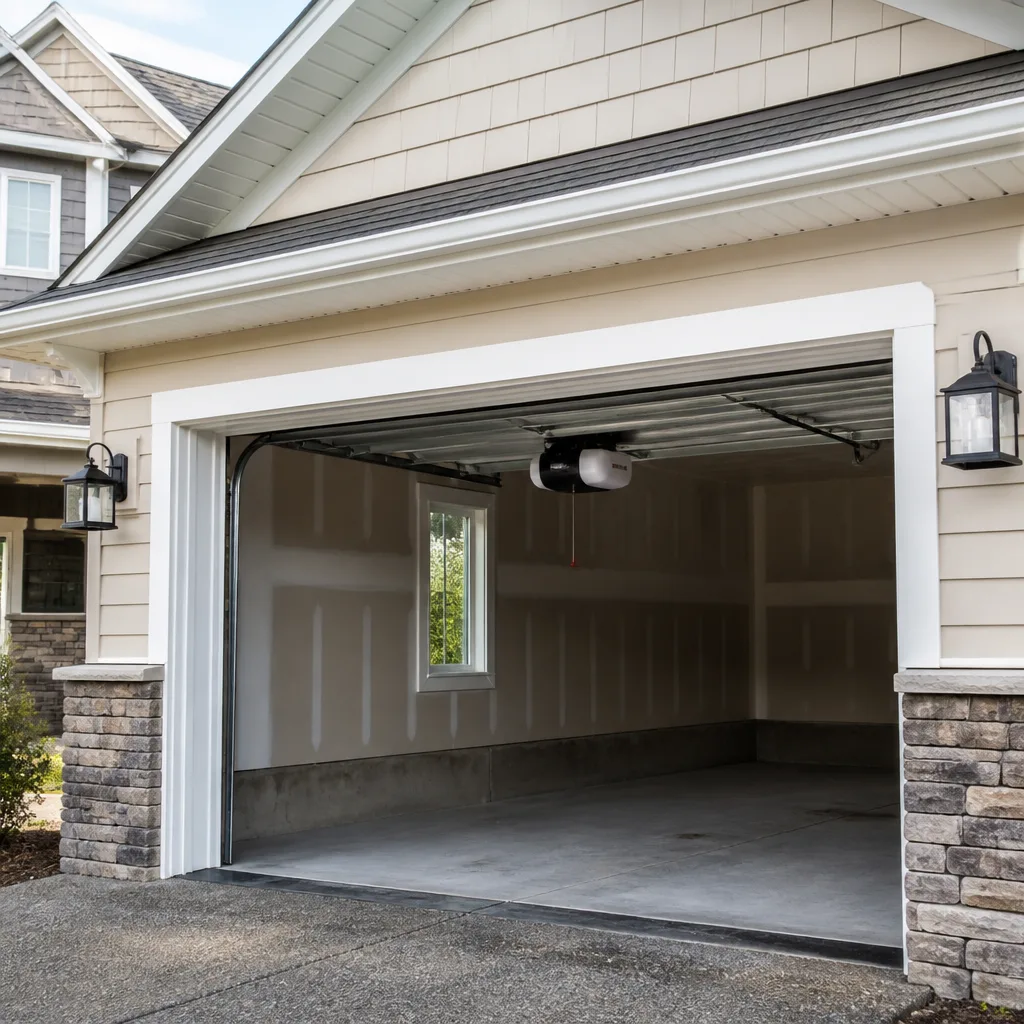
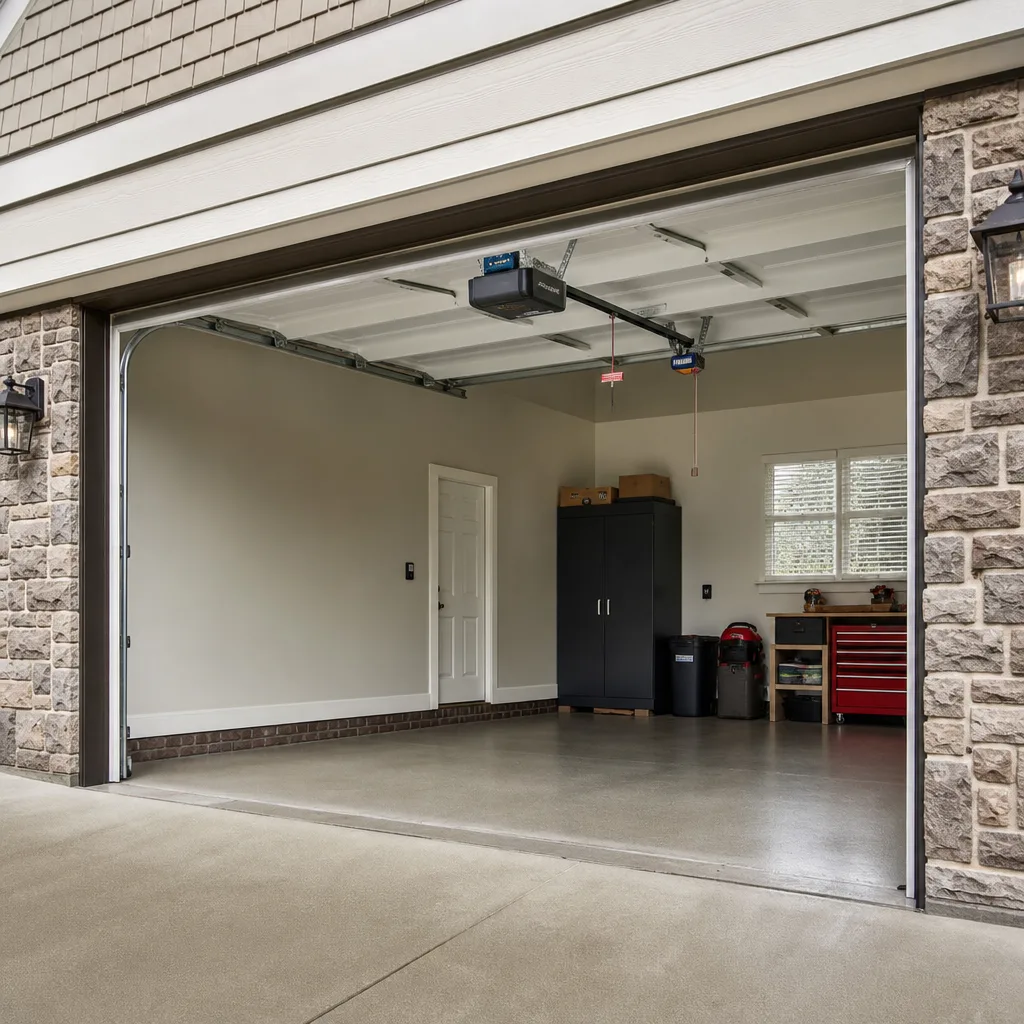
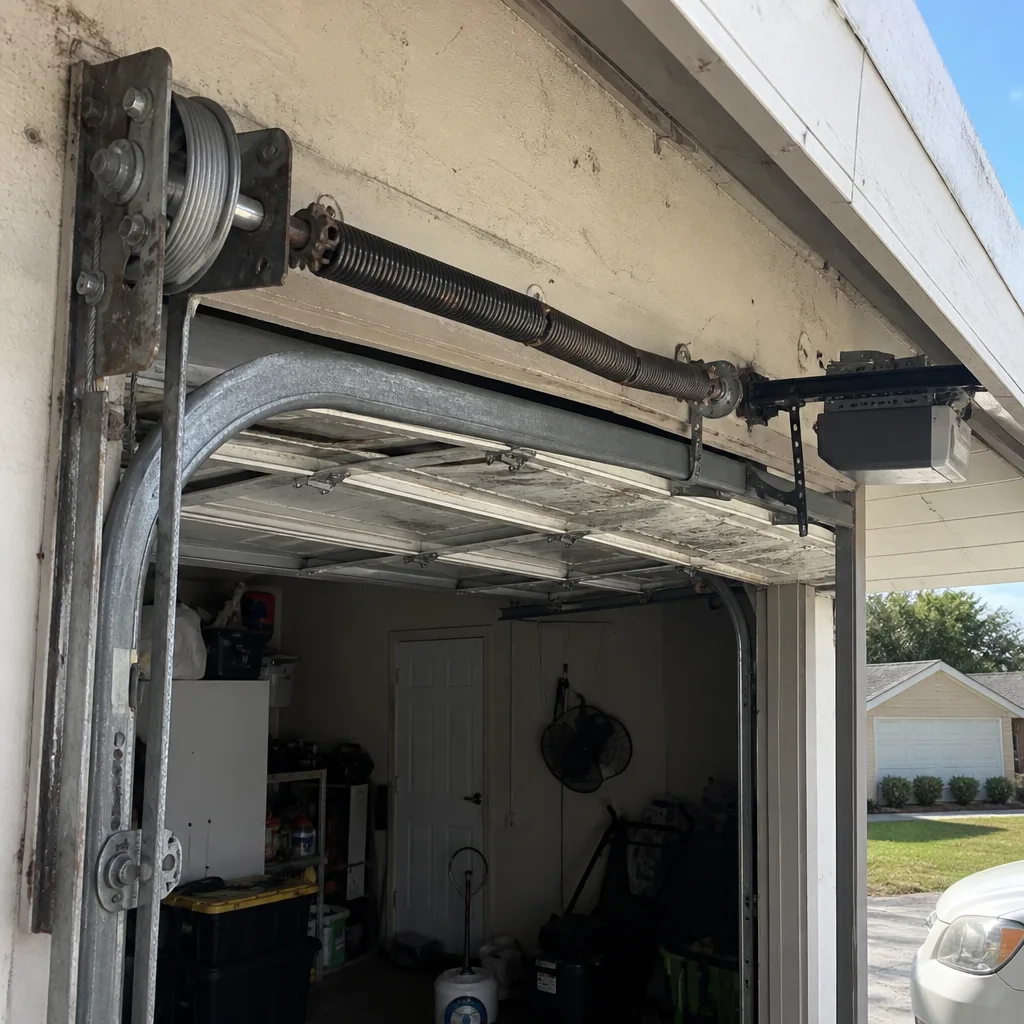 Before
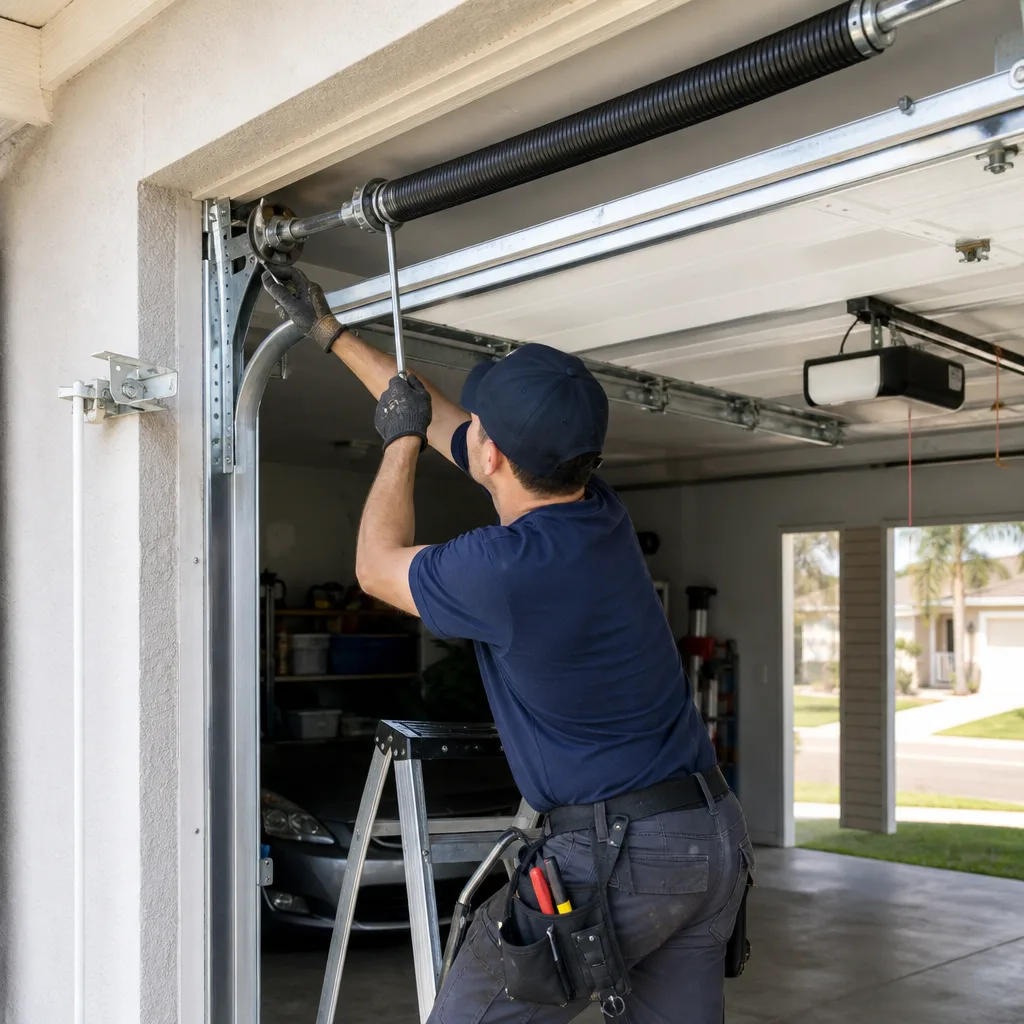 After
After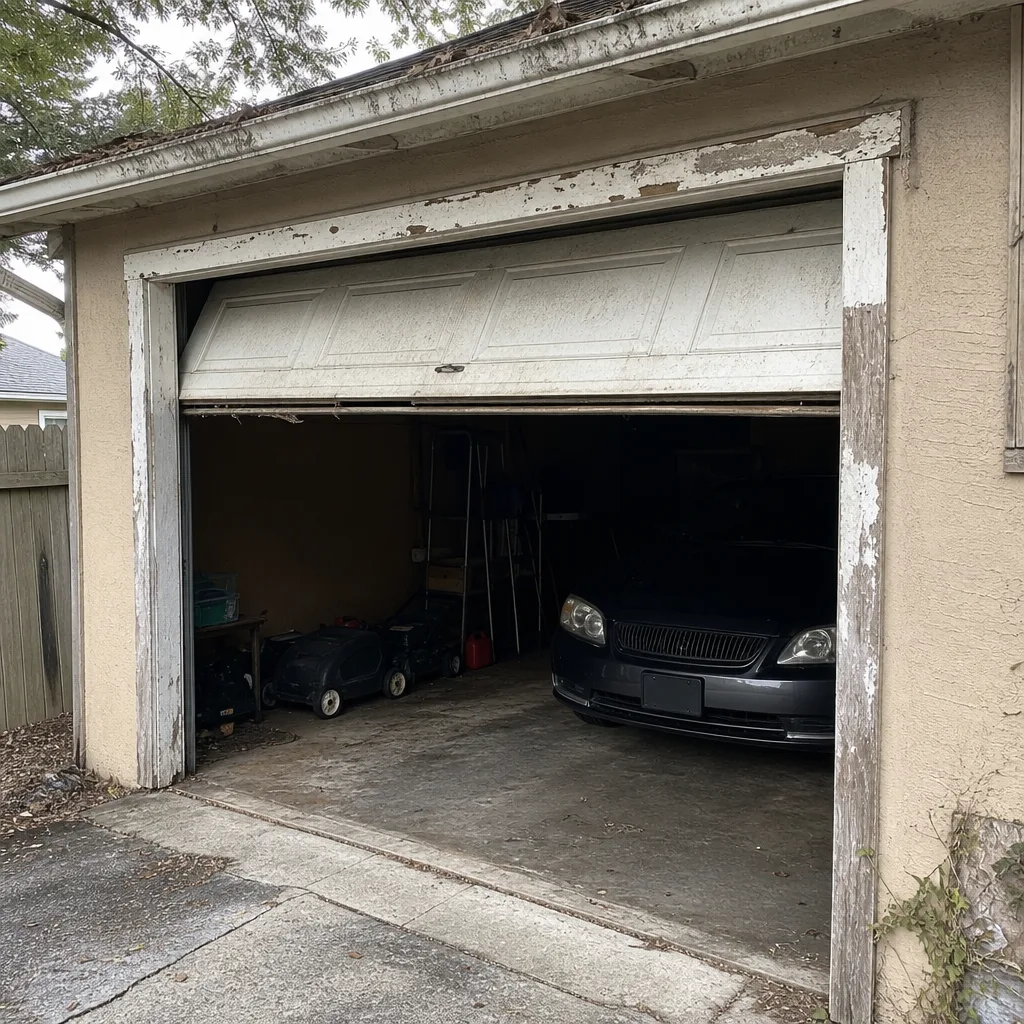 Before
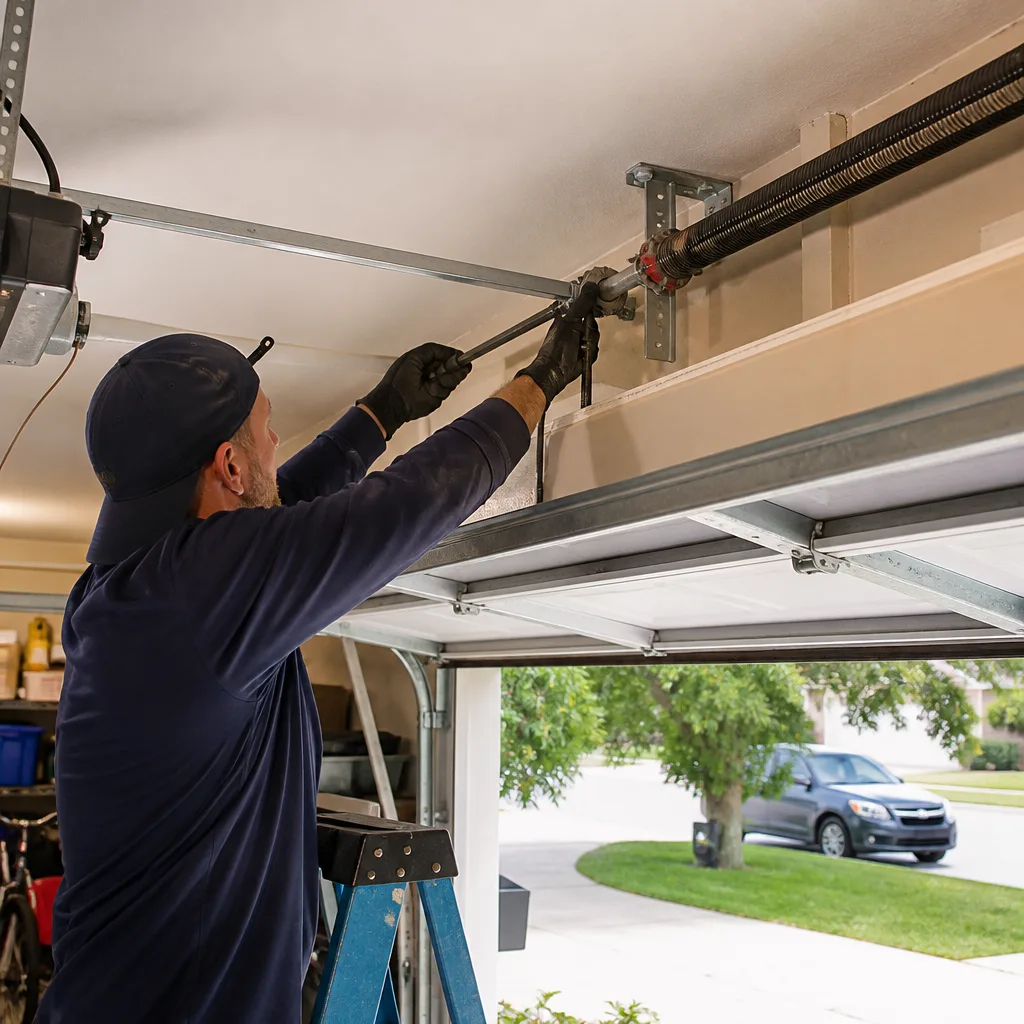 After
After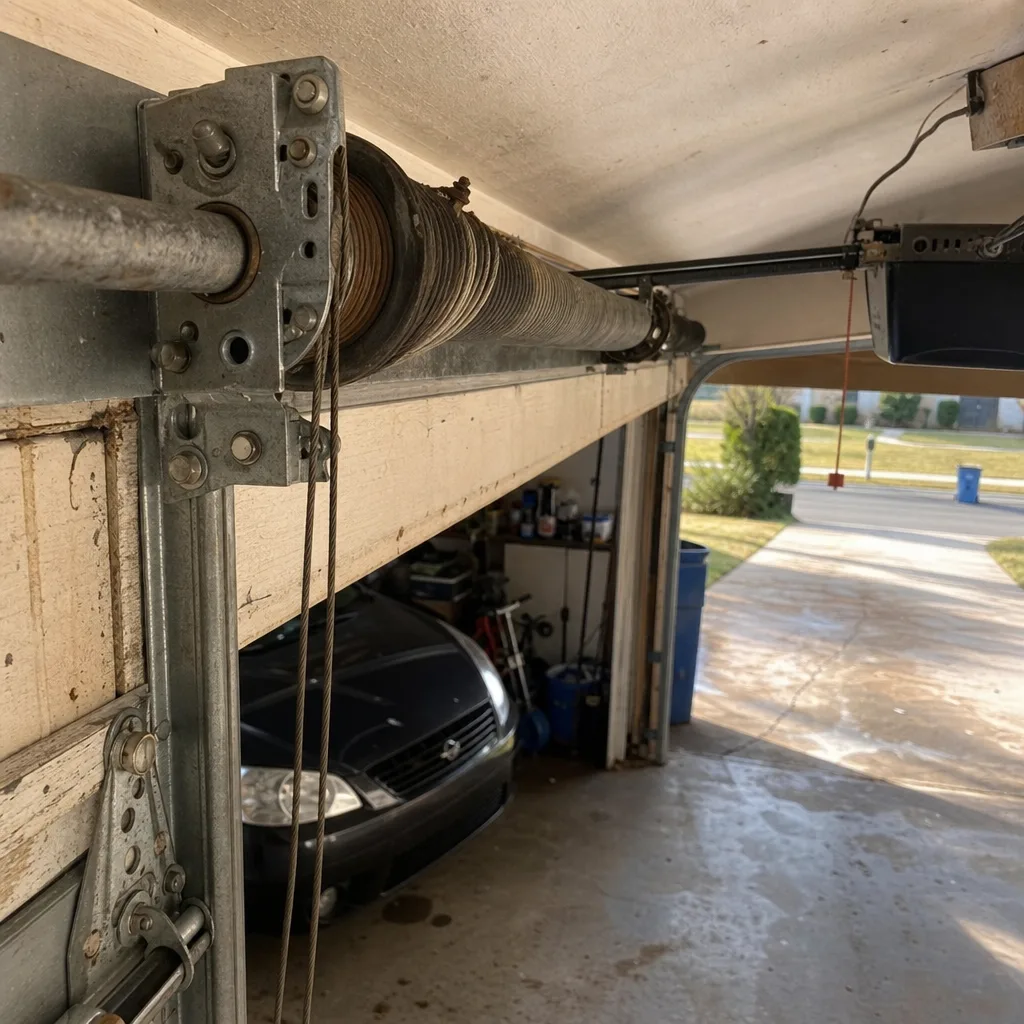 Before
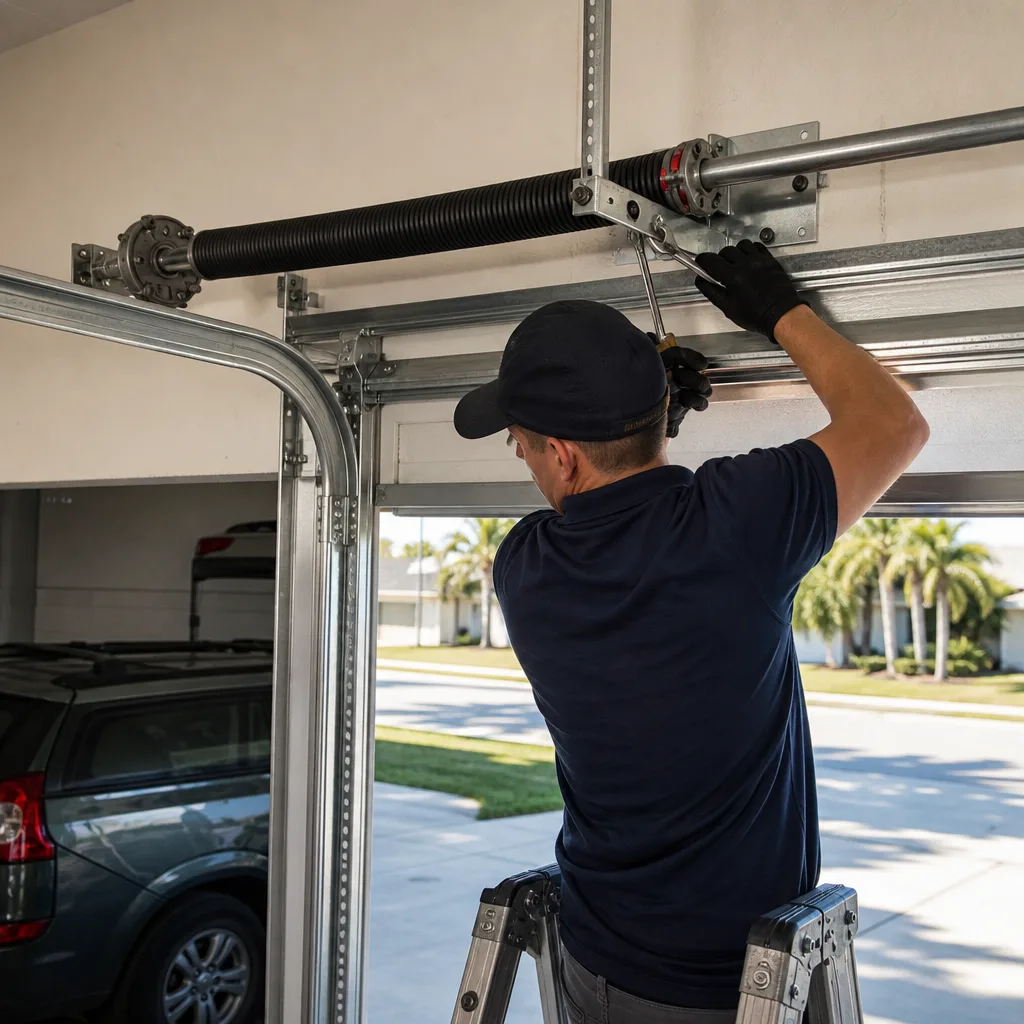 After
AfterAmarr Weather Seal Replacement: The Lakeland Owner’s Guide
We stock and install Amarr-compatible weather seal replacement in Lakeland, with most jobs running $110-$220 installed, and we carry the common profiles on the truck so the swap is usually done same-day. The weather seal is the rubber strip that runs along the bottom of your garage door, and in Lakeland it fails faster than most parts because it sits against sun-baked concrete all day and flexes every time the door opens. Owners typically find it because daylight is showing under the door, or leaves and water are finding their way in after the afternoon storms that roll through Polk County every summer.
We’re an independent service provider, not affiliated with Amarr, but we’ve been matching their weather seals across Lakeland for years now. The part itself is straightforward. What most people don’t know is that Amarr uses a few different retainer profiles, and the wrong seal will either not slide in or will fall right back out. That’s the difference between a ten-minute job and a frustrating afternoon in the garage.
Which Amarr Models This Applies To
Amarr’s residential lines in Lakeland include the Classica, Lincoln, Heritage, Stratford, and Oak Summit series, along with the lower-cost Olympus and Builder’s lines. All of them use a bottom weather seal that slides into an aluminum retainer channel along the bottom rail. The compatibility problem comes from the retainer shape. Amarr has used at least three distinct T-channel and bulb profiles over the last two decades, and a seal cut for a 2006 Builder’s series door won’t seat properly in a 2022 Classica.
Here’s the practical check. Look at the metal channel on the bottom of your door. If it’s a flat aluminum channel with a single slot, that’s a standard T-style retainer. If it has a rounded bulb opening, that’s a bulb retainer. If there’s a second channel above the first for a backup seal, you have a double-channel bottom rail. Our technicians carry stock for all three in the trailer, so we don’t have the “measure now, come back next week” delay that happens when someone has to special-order the part.
On OEM versus aftermarket: Amarr’s factory seals are good rubber, but several US manufacturers make equivalents with the same durometer and UV rating for less. For this part specifically, we honestly don’t push OEM. The failure mode is sun and moisture, not brand chemistry. A quality aftermarket EPDM rubber with a 60-durometer rating will outlast an OEM seal in Lakeland’s climate. We’ve seen it repeatedly on doors in Dixieland and Beacon Hill.
Signs Your Amarr Weather Seal Replacement Is Failing
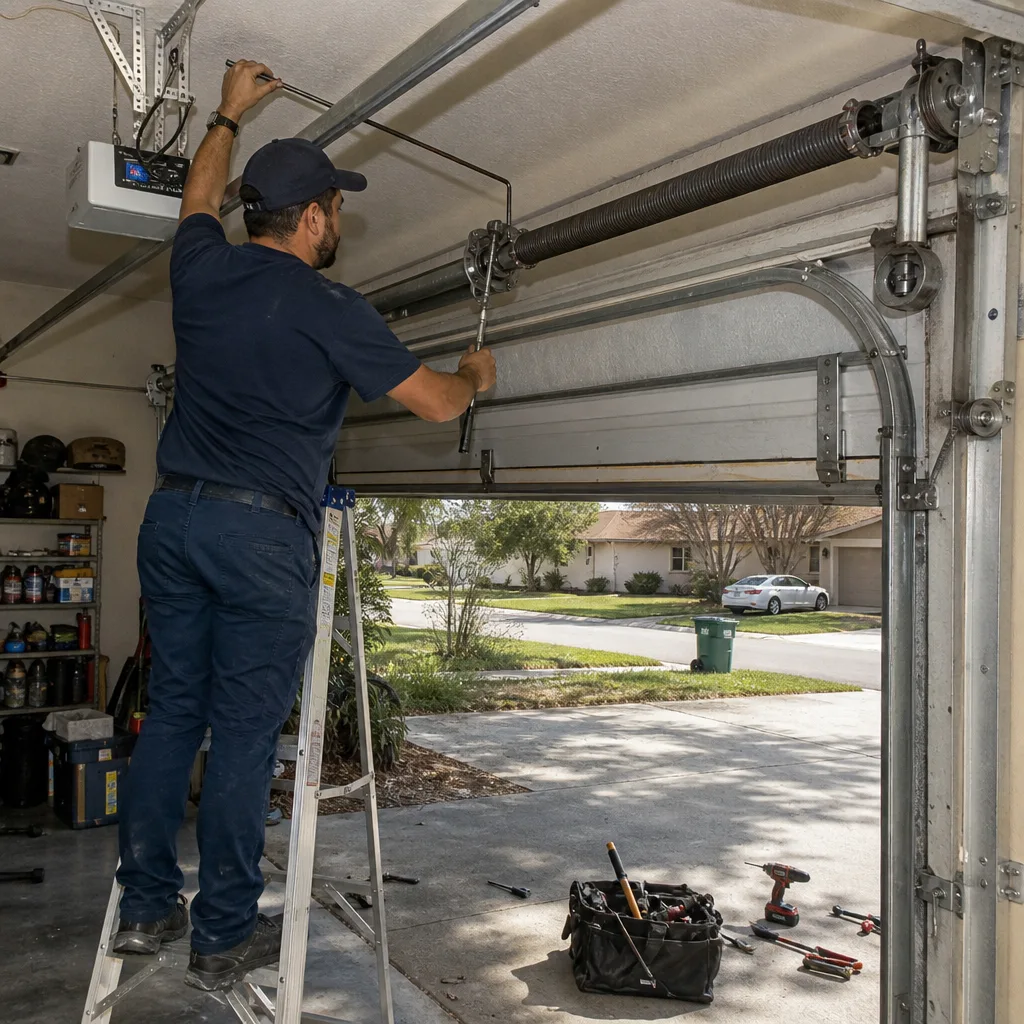
- Visible daylight under the door - This is the tell every Lakeland homeowner notices first. The rubber has compressed or torn, and the garage is no longer closed against the elements. It also means pests have an entry point. Palmetto bugs don’t need much clearance to get in, and a two-inch gap where the seal pulled away from the concrete is an open invitation from May through October.
- Water pooling in the garage after a storm - Lakeland gets 50-plus inches of rain a year, concentrated in summer downpours. If you’re finding a wet line across the garage floor after a thunderstorm, the seal isn’t making contact. It may have shrunken at the ends, or the bottom rail itself may have shifted slightly where the sections settle.
- Rubber that’s brittle, cracked, or crumbling - Florida UV exposure eats standard rubber compounds in four to six years. Run your finger along the bottom edge. If it leaves a black residue on your hand, the rubber is degrading, and it’s only going to get worse.
- Leaves and debris blowing into the garage - A seal that still looks intact from the side may have lost its contact pressure against the pad. When wind-driven debris ends up under a closed door, the bulb has gone flat. It’s a subtle failure that owners often dismiss until they find a mouse nest in the corner of the garage.
- The door sits visibly uneven at the ground line - If one side of the seal touches concrete and the other side has a gap, you may have a leveling issue at the track rather than a seal failure. But the combined effect is the same: an unsealed opening. Our techs will tell you which problem you actually have before writing anything down.
BeforeAfterReplacement Cost & What’s Included
In Lakeland, a Amarr-compatible bottom weather seal replacement runs $110-$220 installed depending on door width and which retainer profile your door uses. Here’s the breakdown:
- Single door, standard T-channel seal: $110-$140
- Single door, bulb-type or double-channel retainer: $140-$180
- Double-wide door (16-18 foot): $160-$220
The range covers the seal material, removing the old seal, cleaning debris from the retainer channel (a step most skip), sliding in the new length, trimming it to fit, and a test close to confirm contact along the full width. Some shops charge a separate trip fee on top. We don’t. The printed scope you sign before work starts includes the labor, the part, and a one-year warranty on both.
And to be direct about a common fear: the number on the written quote is the number on the invoice. Clause 1 of The Haven Standard is why. The written price is delivered before anything happens, and if we find the retainer itself is damaged, we’ll photograph it and show you before anyone quotes a different part or a higher number.
DIY or Call Us?
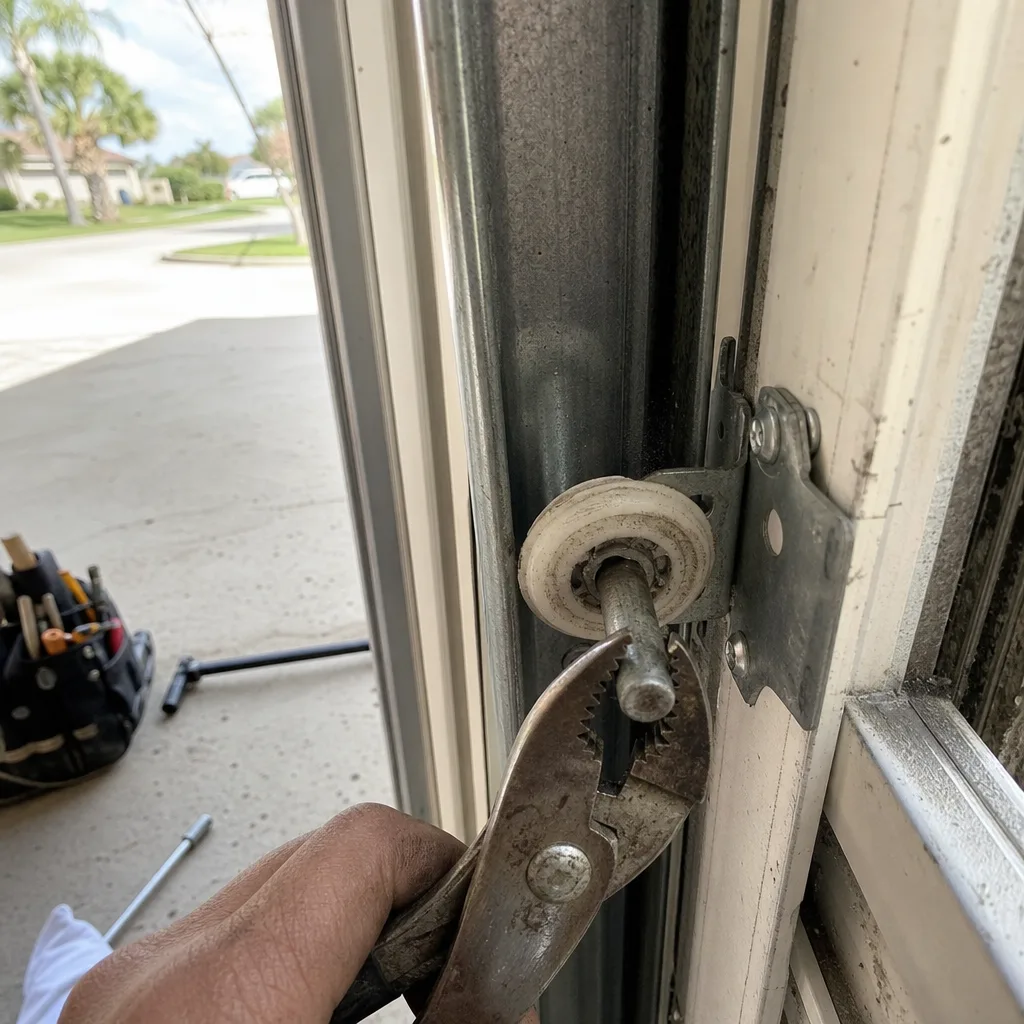
Replacing an Amarr bottom seal isn’t a dangerous job the way a torsion spring is, and a patient owner with a utility knife and a clean retainer channel can absolutely do it themselves for $30-$70 in material. The failure points are pragmatic: matching the retainer profile correctly, getting the seal to slide through warped or corroded channels, and cutting the length precisely so the ends don’t curl in the first hot week. When the channel is bent or the seal folds mid-slide, a 20-minute job quietly becomes a three-hour fight.
The most common DIY failure we see in Lakeland is someone forcing the wrong profile. A bulb seal in a T-receiver will push in but won’t lock, and the door will spit it out within a week. Our advice is straightforward: named component, written quote, fixed result. If you’d rather be done with it, call (863) 656-0858. We’ll tell you on the phone which retainer your door likely has, so the price is firm before our truck parks.
FAQs
We typically see four to six years from a good EPDM seal before the UV exposure and heat cycles make it brittle. Doors facing west or southwest fail closer to four; shaded doors can stretch it five. The garage floor itself also matters. Older slabs in Dixieland that have settled and cracked create uneven contact that accelerates wear on one end.
No. Silicone or rubber cement won’t hold on EPDM weather seal for more than a few weeks, and the tear becomes a gap for water and pests. The material is inexpensive and designed to be pulled and replaced. A patch is just a second trip waiting to happen. Give us a call at (863) 656-0858 for an exact installed quote before you spend the weekend trying.
Most same-day swaps run 30 to 45 minutes. The work itself is fast. What adds time on some doors is removing an old seal that has bonded or broken off in pieces inside the retainer channel, which has to be pulled clean before a new one will sit right. We do that cleanup as part of the price, not as an extra.
We stock the three common profiles Amarr has used, so in almost every case the seal is installed in the first visit. The only exception is an unusual low-clearance or commercial-profile rail, which we can typically have in hand within two business days. If you can send a photo of the bottom rail, we’ll tell you before anyone drives out.
Written by Marcus Deller, Owner, Servo Garage Doors Lakeland at Servo Garage Doors Lakeland, serving Lakeland and nearby areas.